Iconic boutique hotels What they did, and what a small owner can use.
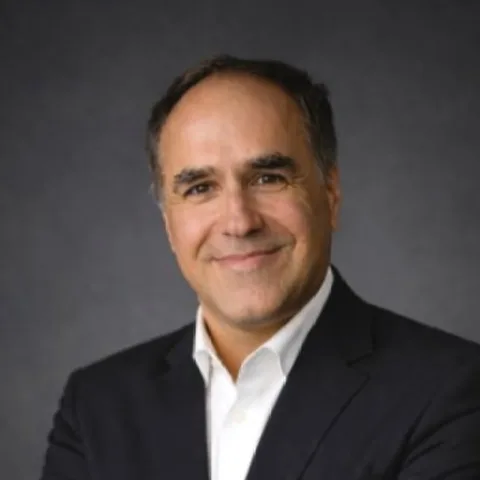 By Gonzalo Baeza, former hotel manager
A handful of hotels shaped what guests now expect from a boutique stay. Most of them were not rich or large when they started. They had an old building, a clear idea and someone willing to do things differently. This page looks at ten of them, in order of opening, and pulls one practical lesson from each for owners of small hotels today.
free, by email, no calls, no obligationWhy owners should know these hotels
This is not a ranking and not a list of the best boutique hotels. It is a short history told through ten well-documented hotels in the US and the UK, chosen because their ideas spread. Many hotels since have copied a lobby, a pool deck or a room format that started in one of them, often without knowing where it came from.
Several of these hotels have since closed, changed owners or changed format. We describe what each did when it opened or reopened, not what it is like today. Where we mention a closure, it is because the record is clear.
The lessons are our judgement. They are written for an owner with 10 to 40 rooms and a small budget, not for a hotel group. For the basics of the term itself, see what is a boutique hotel.
A note from the studio: we build boutique hotel website design for inns and independent hotels. If your site is more than a few years old, start with signs your hotel website is outdated.
Before and at the start: 1929 to 1984
- Chateau Marmont, Los Angeles (1929)Opened on Sunset Boulevard in 1929 as an apartment building, loosely modeled on the Château d'Amboise in the Loire Valley, and turned into a hotel after Albert E. Smith bought it in 1931. Long before the word boutique, it sold quiet and privacy to people who needed both, with bungalows and cottages alongside the main building. Lesson: privacy can be the product. If your hotel is quiet, hidden or discreet, say so plainly and show how: the gate, the garden, the distance from the road.
- Blakes, London (1978)Created in 1978 by the designer and hotelier Anouska Hempel at 33 Roland Gardens, South Kensington, and widely described as one of the first luxury boutique hotels. Its rooms drew on Asian, Moroccan and colonial styles and objects Hempel collected on her travels, so rooms differed from one another. Lesson: one person's taste, applied with conviction, is a brand. It does not need a big budget, but it does need consistency from the lobby to the last room.
- Kimpton's first hotel, San Francisco (1981)Bill Kimpton opened the Clarion Bedford Hotel in San Francisco in 1981, the start of the Kimpton group. He modeled his hotels on small European hotels, ran the restaurants as separate businesses that locals used, and brought a daily evening wine hour into the lobby, an idea he had seen in Europe. Lesson: a small daily ritual, such as a glass of wine at six or coffee by the fire, gives guests a reason to meet the staff and each other. It costs little and people remember it.
- Morgans, New York (1984)Ian Schrager and Steve Rubell opened Morgans on Madison Avenue in 1984, in a 1927 building, with interiors by Andrée Putman. Black-and-white checkerboard details, a calm palette and only a few rooms per floor made it feel residential. Rubell is often credited with calling it a boutique. The hotel closed in 2018 and the building was converted to apartments. Lesson: a short, memorable phrase can define a whole category. Find the few words that describe your place and use them everywhere.
Design hotels and social hotels: 1995 to 1999
- Delano, Miami Beach (1995)Schrager and the designer Philippe Starck kept the 1947 exterior and gutted the interior in 1995. White curtains, a long lobby that ran through to the garden and pool, and a very shallow pool area with furniture standing in the water turned a hotel into a scene. Lesson: plan the path from the street to your best space. A guest should walk into something, not just past a desk. If that space is a pool, see our guide to hotel pool types.
- Ace Hotel, Seattle (1999)Friends Alex Calderwood, Wade Weigel and Doug Herrick turned a former halfway house in the Belltown neighborhood into an affordable hotel aimed at the creative class. The design was spare and plain, which kept costs low and let the guests and the city fill it. Lesson: an overlooked building and a clear guest can be enough. Decide who you are for, then spend on what that guest notices and nothing else.
- The Standard, Hollywood (1999)André Balazs reopened a 1962 motel on the Sunset Strip, which had become a retirement home, as an inexpensive hotel. To save money the pool deck was covered in blue artificial turf. A glass box behind the front desk held models and performers, and a DJ played in the lobby. The hotel closed permanently in January 2021. Lesson: a cheap, bold idea beats an expensive, safe one. People talked about the turf and the box far more than the thread count.
Old buildings, new formats: 2000 to 2012
- Hotel San José, Austin (2000)A 1930s Spanish Colonial motor court on South Congress Avenue, in an area then seen as rough. Liz Lambert bought it in 1994, ran it for years as a low-rent residential hotel while raising money, then reopened it in 2000 after a renovation by Lake/Flato that kept the clay tile roofs and arches and added a courtyard. Lesson: you can open in stages. Keep what is good about the old building, and let the neighborhood be part of the story.
- The Jane, New York (2008)Built in 1908 as a sailors' home, designed by William A. Boring, architect of the Ellis Island immigration station. The hotel's own history says Titanic survivors stayed there in 1912. Sean MacPherson and Eric Goode reopened it in 2008 with rooms of about 50 square feet, inspired by train cabins, and shared bathrooms down the hall. Lesson: a small room can sell well if you say exactly what it is. Size, bunk or single, shared bath: when the guest knows, the tiny room becomes a choice, not a complaint.
- Freehand Miami (2012)Opened at the end of 2012 in a 1930s building north of South Beach, with interiors by Roman and Williams. Sydell Group's Freehand mixed shared dorm-style rooms with private rooms. The Broken Shaker bar began as a pop-up in the courtyard and stayed on as a draw for locals. Lesson: test an idea before you build it. A pop-up bar, a summer terrace or a weekend supper can show you what works.
Famous boutique hotels at a glance
| Hotel | Where | Opened | What was new |
|---|---|---|---|
| Chateau Marmont | Los Angeles | 1929, hotel from 1931 | Privacy and bungalows in the city |
| Blakes | London | 1978 | A designer's personal style in every room |
| Kimpton's Bedford | San Francisco | 1981 | Small European-style hotel, local restaurant, wine hour |
| Morgans | New York | 1984 | Residential feel, the word boutique |
| Delano | Miami Beach | 1995 | Lobby and pool as one stage |
| Ace Hotel | Seattle | 1999 | Affordable hotel for a creative crowd |
| The Standard | Hollywood | 1999 | Cheap, playful, social |
| Hotel San José | Austin | 2000 | Restored motor court in a changing street |
| The Jane | New York | 2008 | Tiny cabins, honest pricing |
| Freehand | Miami Beach | 2012 | Hostel and hotel in one building |
Dates are opening or reopening years as documented. Ownership, format and status of several hotels have changed since.
What these hotels have in common
Most of them started in an old building that others had written off: a motel, a halfway house, a sailors' home, an apartment block. Reuse gave them character they could not have bought new, and often a lower starting cost.
Most had one social space that mattered more than the rooms. A lobby used as a living room, a pool, a bar, a courtyard. Guests and locals came to that space, and it became the image people remembered.
Most were not luxury when they opened. Ace, The Standard, The Jane and Freehand were sold on low or moderate prices. Being distinct did not depend on being expensive.
And each had a clear point of view, usually from one or two people. That is the part a small owner can copy most easily, and the part chains have worked hardest to imitate. We compare the labels in boutique vs independent hotel.
Using these lessons in your own hotel and website
- Write your one sentenceEach of these hotels can be described in a line. Write yours, and put it at the top of your home page. Our guide to boutique hotel branding helps.
- Show the signature spaceWhatever your version of the Delano lobby or the Broken Shaker is, give it a strong photo and a few honest lines on the site.
- Tell the building's storyIf you reused a building, say what it was. A short history page often does more than a long list of amenities. See historic hotel website design.
- Be exact about unusual roomsSmall, shared-bath or unusual rooms sell when the facts are clear, as in our room description guide.
- Let the website match the ideaA bold hotel on a generic template loses the point. Hotel Crafted is a small studio run by a former hotel manager, building phone-first sites for boutique and independent hotels. Send us your site for a free review by email.
I'm Gonzalo. I ran hotels for more than five years, from small properties to remote lodges, and now I build websites for them. Can I help with your hotel or your website? Write to me at gonzalo@hotelcrafted.com. I answer myself, usually within one business day.
Four steps, from dated to done.
- Step 01
Review
Send us your website. We reply by email with what we'd change and a fixed price.
- Step 02
Design
A new look shaped around your property and its story. You approve it before we build.
- Step 03
Build
Fast, clean and connected to your booking engine. Simple for your team to update.
- Step 04
Care
We launch it with you, then stay close to keep it fresh.
Questions hoteliers ask us.
What was the first boutique hotel?+
There is no single agreed answer. Morgans in New York, opened in 1984 by Ian Schrager and Steve Rubell, is most often linked to the term. Blakes in London, opened by Anouska Hempel in 1978, and Bill Kimpton's first San Francisco hotel in 1981 are also often named as early boutique hotels.
Who invented the term boutique hotel?+
Steve Rubell, co-founder of Morgans with Ian Schrager, is often credited with describing the hotel as a boutique in the 1980s. The term then spread to describe small, design-led hotels in general.
What are some famous boutique hotels in the US?+
Historically important examples include Chateau Marmont in Los Angeles, Morgans in New York, Kimpton's early San Francisco hotels, the Delano in Miami Beach, Ace Hotel Seattle, The Standard in Hollywood, Hotel San José in Austin, The Jane in New York and Freehand Miami. Some have since closed or changed.
Are these iconic boutique hotels still open?+
Some are and some are not. Morgans closed in 2018 and The Standard, Hollywood closed in 2021, for example. Others have changed owners or format. Check each hotel's current status before planning a visit.
What can a small hotel learn from famous boutique hotels?+
Mostly that a clear idea matters more than a large budget. Reuse a building with character, create one social space people remember, be exact about what each room is, and describe the place in one plain sentence everywhere you appear.
More on hotel websites.
Run a boutique hotel? Send us your site for a free review.
You'll get a short list by email within one business day. No calls, no pressure.
Thank you. We got it.
You'll have our review in your inbox within one business day.
Prefer email? Send your website link to gonzalo@hotelcrafted.com and I'll reply with 3 things I would change. I answer myself, within one business day. No calls, no newsletter.